Simply Desserts Is Officially Gluten Free Certified

GFCO certified gluten-free desserts are now a reality at Simply Desserts. If you live gluten-free, you know the difference between a label you hope you can trust and a mark you know you can trust. We’re thrilled to share that the entire Simply Desserts range is now GFCO Certified Gluten-Free—a gold-standard third-party verification that helps you shop with confidence, savor every bite, and keep gluten off your plate.
Table of Contents
- What Is GFCO—and Why It’s the Benchmark
- Why Third-Party Certification Matters
- What Does “PPM” Mean—and Why It Matters
- What Is Gluten—and Where It Hides
- Celiac Disease, Wheat Allergy & NCGS
- Oats on a Gluten-Free Diet
- How Simply Desserts Aligns With the GFCO Standard
- How GFCO Audits Work (Plain English)
- Label-Reading Cheatsheet
- Cross-Contact at Home & Dining Out
- Common Gluten-Free Myths
- Why This Certification Matters to You
- Smart Shopping: Gluten-Free With Confidence
- FAQ
- Our Promise
In this guide, we’ll cover what GFCO certification means, why independent certification matters, how we align our practices with the standard, and the essentials of gluten, celiac disease, wheat allergy, and non-celiac gluten/wheat sensitivity—including why ppm matters, how to think about oats, and practical tips for avoiding cross-contact. You’ll also see where to find GFCO certified gluten-free desserts across our range.
What Is GFCO—and Why It’s the Benchmark
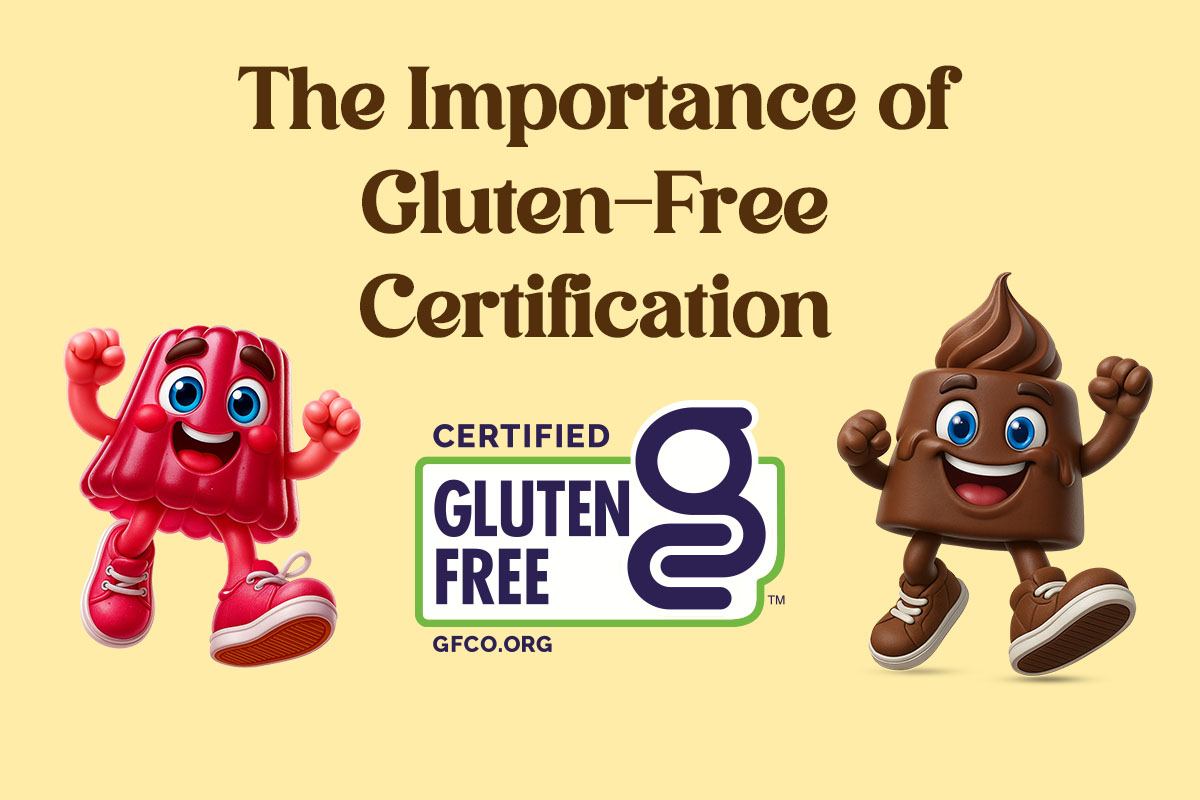
The Gluten-Free Certification Organization (GFCO)—a program of the Gluten Intolerance Group—runs an independent, third-party certification program that verifies products, ingredients, and manufacturing processes against a rigorous standard. When you see the GFCO Certified Gluten-Free mark, it signals quality and integrity backed by audits, testing, and documented controls—not just a marketing claim.
Key thresholds: In the United States, the FDA allows “gluten-free” labeling when any unavoidable gluten is below 20 parts per million (ppm) and other conditions are met. GFCO certification is stricter, requiring ≤10 ppm (or the lower legal limit of the country of sale). That tighter limit adds a meaningful margin of safety for people who must avoid gluten and is why shoppers specifically search for GFCO certified gluten-free desserts.
GFCO also addresses tricky areas like oats. In jurisdictions such as Australia and New Zealand where oats are treated as a gluten source and “nil detectable gluten” may be required, GFCO conforms to those rules to protect consumers globally.
Why Third-Party Certification Matters (More Than Ever)
Even with regulations, supply chains are complex and labels can be confusing. Independent, third-party verification gives you an extra layer of assurance that ingredients, processes, and finished products meet a tighter, verified standard. For families managing celiac disease or severe gluten sensitivity, that assurance is the difference between “maybe” and “safe to eat.” It’s also why many of our customers tell us they actively look for GFCO certified gluten-free desserts in-store and online.
What Does “PPM” Mean—and Why It Matters
PPM stands for parts per million, a way to measure very small amounts in food.
- 1 ppm = 1 mg of a substance per 1 kg of food.
- 10 ppm = 10 mg/kg.
- 20 ppm = 20 mg/kg.
Why it matters: If a dessert weighs 100 g (0.1 kg), then at 10 ppm the gluten limit is roughly 0.1 mg per serving; at 20 ppm, it’s about 0.2 mg. Lower ppm = lower gluten = lower risk for highly sensitive individuals. The FDA’s gluten-free labeling rule sets the threshold at <20 ppm; GFCO tightens this to ≤10 ppm (or the country’s lower requirement). That’s why our GFCO certified gluten-free desserts offer added peace of mind.

What Is Gluten—and Where It Hides
Gluten is a group of proteins found in wheat, barley, and rye (and crossbreeds like triticale). It gives dough structure and stretch—but it can cause serious health issues for some people. Gluten shows up in obvious foods (breads, pastas, baked goods) and in sneaky places such as sauces, seasonings, fillers, coatings, processed meats, candies, and even some supplements. Reading labels—and looking for trusted marks like GFCO Certified Gluten-Free—helps you avoid surprises.
Because formulations can change, it’s wise to scan labels even on familiar products. If you prefer to skip detective work, gravitate to brands that invest in certification. For desserts, that’s where our GFCO certified gluten-free desserts make life easier: you get indulgence and a higher level of assurance in the same bite.

Celiac Disease, Wheat Allergy, and Non-Celiac Gluten/Wheat Sensitivity
Celiac Disease
Celiac disease is an autoimmune condition. When someone with celiac eats gluten, the immune system damages the small intestine, leading to symptoms and malabsorption. The only treatment is a strictly gluten-free diet, ideally guided by a clinician and a dietitian experienced in celiac care. Many in the celiac community rely on third-party marks to quickly identify GFCO certified gluten-free desserts they can enjoy.
Wheat Allergy
Wheat allergy is an IgE-mediated allergy to proteins in wheat (which may include, but are not limited to, gluten). Reactions can be immediate and potentially severe; complete avoidance and medical guidance are essential.
Non-Celiac Gluten/Wheat Sensitivity (NCGS/NCGWS)
Some people experience symptoms from wheat- or gluten-containing foods without celiac disease or wheat allergy. Research suggests other components—like fructans (FODMAPs)—may be triggers for some. If you suspect issues, seek evaluation before removing gluten so celiac testing remains accurate.
Oats on a Gluten-Free Diet: Proceed, But Be Picky
Oats are naturally gluten-free but frequently cross-contacted with wheat, barley, or rye during farming, transport, and processing. Many celiac organizations advise choosing certified gluten-free oats and tailoring intake with your clinician—especially if you’re newly diagnosed or highly sensitive. GFCO follows the lowest applicable thresholds and respects jurisdictions that treat oats as a gluten source. If you see oats in GFCO certified gluten-free desserts, they are selected and handled with this higher standard in mind.
How Simply Desserts Aligns With the GFCO Standard
- Verified ingredient sourcing & supplier controls: Every input must meet documented gluten-free criteria, with traceability and change-control so substitutions don’t introduce risk. GFCO requires that all starting ingredients and finished products meet the applicable threshold—≤10 ppm (or the country’s lower legal limit).
- Preventing cross-contact: Physical separation where needed, validated cleaning protocols, line clearances, and documented allergen controls—measures examined during audits.
- Routine testing & verification: We verify finished products (and, where appropriate, ingredients or environments) to confirm compliance—verification rather than assumption.
- Staff training & continuous improvement: Our team is trained on gluten-free handling, sanitation, labeling, and incident response. SOPs are reviewed and improved based on audit feedback.
The result: celiac-safe desserts that deliver indulgent flavor and reliable safety. If you’re searching for GFCO certified gluten-free desserts you can trust, you’re in the right place.
How GFCO Audits Work (Plain English)
Certification isn’t a one-time badge—it’s a system. GFCO auditors review how we buy ingredients, how we clean and sanitize, how we prevent cross-contact, and how we document every step. They look for traceability (can we track ingredients through to finished batches?), standardized training (do team members know what to do and why?), and corrective actions (what happens if something doesn’t meet spec?).
Audits are scheduled and periodic, with additional checks if there are changes to recipes, suppliers, or equipment. Finished products are tested to confirm that the gluten content remains within the ≤10 ppm threshold (or lower where required). This ongoing verification is why many people consider GFCO certified gluten-free desserts a safer default when they’re shopping for parties, school events, or travel.
Label-Reading Cheatsheet
Even when you stick to certified products, label literacy pays off. Here’s a short checklist to use beyond desserts:
- Scan for grains: wheat, barley, rye, triticale. Watch for derivatives like malt and brewer’s yeast.
- Check seasonings and sauces: thickeners, starches, and flavorings can hide gluten.
- Watch advisory statements: “made on shared equipment” or “processed in a facility with wheat” are not regulated phrases but can signal risk if controls aren’t validated.
- Look for a trusted mark: choosing GFCO certified gluten-free desserts and pantry staples reduces guesswork.
- Re-check familiar items: formulations and suppliers can change without fanfare.
Cross-Contact at Home & Dining Out
Cross-contact (gluten accidentally getting into gluten-free food) is one of the most common pitfalls. At home, dedicate a toaster for gluten-free bread, keep separate butter/jam knives, and wipe down prep areas before you start. Store gluten-free flours above conventional ones, and consider color-coding utensils. When hosting, plate gluten-free items first and use separate serving utensils to avoid crumbs traveling.
When eating out, ask about separate fryers, pasta water, griddles, and shared prep surfaces. If you’re bringing treats to a gathering, GFCO certified gluten-free desserts make it easier to communicate safety to hosts and guests—there’s a recognizable mark and a clear standard behind it.
Common Gluten-Free Myths
“Gluten-free is automatically healthy.” Not necessarily. Gluten-free products can still be indulgent (and that’s okay!). Choose balanced meals and savor desserts mindfully.
“A little gluten won’t hurt.” For people with celiac disease, even small amounts can trigger immune activity and symptoms. That’s why ppm thresholds matter and why choosing GFCO certified gluten-free desserts can reduce risk.
“Oats are always safe.” Oats are naturally gluten-free but can be cross-contacted. Look for certified gluten-free oats and observe your own tolerance.
Why This Certification Matters to You
- Stricter threshold (≤10 ppm vs. <20 ppm): Extra peace of mind for sensitive consumers.
- Independent oversight: A trusted third party verifies processes and products—this is about integrity, not just marketing.
- Process-level assurance: Not a one-time check; certification entails ongoing compliance, audits, and testing.
For busy families, this boils down to time saved. Instead of decoding every ingredient list, you can reach for GFCO certified gluten-free desserts and get back to the fun part—enjoying dessert.
Smart Shopping: How to Choose Gluten-Free With Confidence
- Look for the mark: The GFCO Certified Gluten-Free logo is a strong signal of third-party verification that’s tighter than a basic “gluten-free” claim.
- Read the full label: Formulas change. Watch for wheat, barley, rye and derivatives (malt, brewer’s yeast). The FDA rule sets a baseline <20 ppm and conditions for “gluten-free” usage.
- Be thoughtful about oats: If including oats, opt for certified gluten-free oats and discuss amounts with your care team. Individual tolerance varies.
- Mind cross-contact at home: Use clean utensils, a dedicated toaster, and separate prep areas if multiple diets share a kitchen.
Ready to indulge safely? Explore our GFCO certified gluten-free desserts in our shop and find your new favorite treat.
FAQ: Gluten-Free & Certification
What does “GFCO Certified Gluten-Free” mean?
GFCO is an independent, third-party certification program. Products that earn the mark meet a stricter gluten threshold (≤10 ppm or the country’s lower legal limit) and follow verified processes to prevent cross-contact. That’s why many shoppers choose GFCO certified gluten-free desserts for added assurance.
How is this different from a regular “gluten-free” label?
In the U.S., the FDA allows “gluten-free” at <20 ppm. GFCO certification tightens that to ≤10 ppm and adds audits, testing, ingredient controls, and documentation for process-level assurance.
Are oats allowed in GFCO certified products?
It depends on the country. GFCO aligns with local rules. In places where oats are restricted or “nil detectable gluten” is required, certification reflects those requirements. Where permitted, only vetted, certified gluten-free oats are used.
Do you test finished products?
Yes. Certification involves verification through testing of finished products (and, where appropriate, environments or ingredients) to confirm they meet the required threshold.
What is ppm and why does it matter?
Ppm means parts per million. It measures trace gluten. Lower ppm equals lower risk. GFCO’s ≤10 ppm requirement provides a tighter margin of safety than the standard <20 ppm gluten-free label rule.
Are your desserts safe for people with celiac disease?
Our range of GFCO certified gluten-free desserts is produced under audited controls designed to prevent cross-contact and meet the ≤10 ppm threshold. Always follow your clinician’s guidance for your individual needs.
How do you prevent cross-contact?
We use validated cleaning, line clearances, ingredient verification, documented allergen controls, staff training, and traceability—reviewed through certification audits.
Where can I buy your GFCO certified gluten-free desserts?
Shop the full lineup at simplydesserts.us/shop.
Our Promise
You shouldn’t have to choose between safety and spectacular dessert. With the GFCO Certified Gluten-Free mark across our entire range, Simply Desserts delivers independent verification, stricter thresholds, and uncompromising flavor—so you can celebrate every occasion with confidence. Explore our GFCO certified gluten-free desserts today.